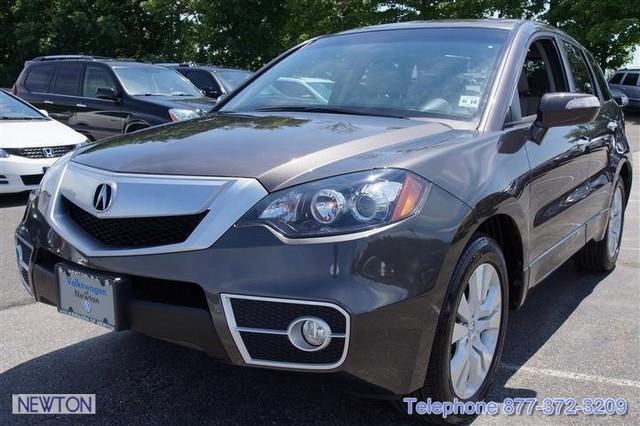
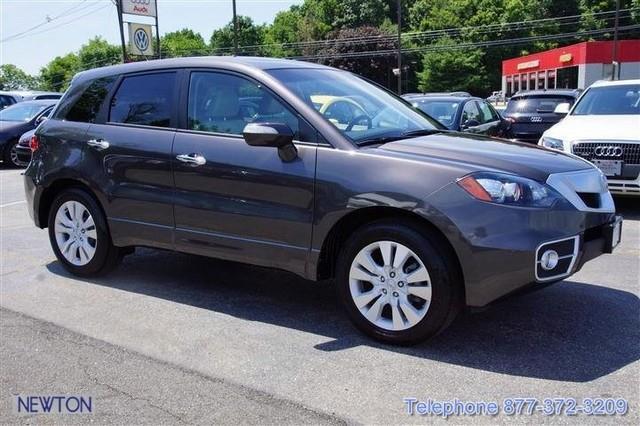
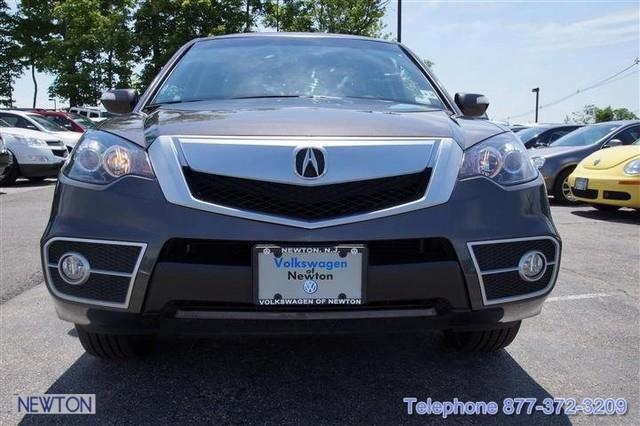
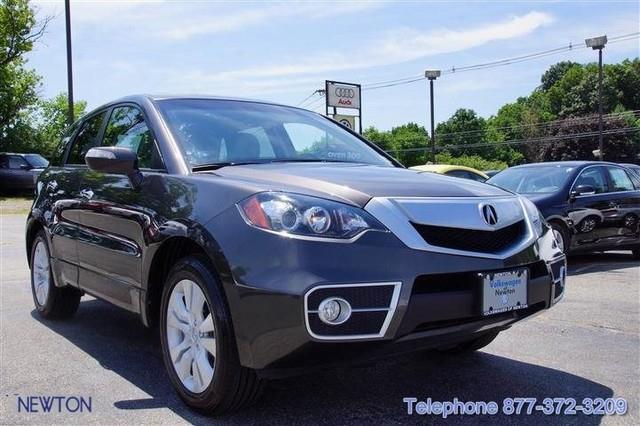
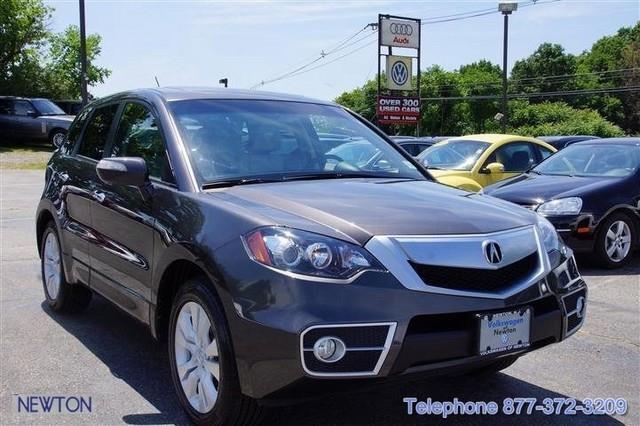
2010 Acura RDX Unknown
Subaru 46, NJ
P:877-860-2054
- Mileage
- 19,250 Miles
- Engine
- -cylinder, 1.5L Fuel Injected
- Transmission
- Unknown
- Fuel
- Gasoline
- Color
- Grey
- Make
- Acura
- Model
- RDX
- Model Year
- 2010
Despite a lot of new competitors in the entry-level luxury-SUV segment, the Acura RDX remains a solid player, despite having only received a few modest changes for 2010. Its fun to drive and remarkably well-equipped and well-priced. Acura had great timing when it introduced the RDX a few years ago. It was one of the first compact luxury SUVs on the market in 2006, following the introduction of the BMW X3 a few years earlier. Today, nearly every luxury nameplate has a small entry-level crossover, and Acura has responded by giving the 2010 RDX a modest design update and a less expensive front-wheel-drive model but not much else. Exterior The most noticeable change to the RDX for 2010 is its new beak of a grille. For some reason, car companies want their entire lineups to share the same face, so to speak, and the relatively handsome, unassuming look of the past RDX has been replaced with this bold, pointy shield. When Acuras popular midsize TL sedan was recently redesigned with a radical look and this same grille, its sales plummeted. The RDXs sales have already seen a decline, and its no sure bet this update will lead to a resurgence. There are also minor changes to the fog lights and rear of the RDX, but overall it remains a good-looking if understated crossover, even with the grille. Nearly every competitor has a bolder design, from the swoopy Volvo XC60 to the sporty Audi Q5 to the rugged Land Rover LR2. Interior Acura says it has upgraded the RDXs interior materials, but youd need a craftsmans touch to notice the differences. For the price, though, the cabin remains upscale. It looks good in black, as my test car was dressed, and theres also a taupe color scheme. The center control panel is a mass of buttons for the audio system, air conditioning and optional navigation system. The steering wheel has about a dozen buttons. This seems to bother a lot of other reviewers, but I became accustomed to easily finding what I needed during my week of testing. The front seats are well-padded and supportive, and from the drivers seat the RDX feels like a sedan, not an SUV, which I like. Legroom is tight in back, but the RDX has a respectable amount of room for this class. Ive easily installed various child-safety seats back there. Cargo The cargo area is well-designed, but the rear seats bottom cushions need to be flipped forward before the backrests can fold completely flat to extend the cargo area. Thats always a negative in my mind. At least the seat bottoms are attached to an articulating hinge that makes the one-step movement much easier than it is in other SUVs with the same setup. At 27.8 cubic feet with the rear seats up, the RDX has plenty of room for most daily uses, but its slightly behind the Q5 and XC60, which have 29.1 and 30.8 cubic feet, respectively. In practical terms, thats not a big enough difference to be a factor when weighing a purchase. However, the RDXs cargo area is quite a bit larger than the Infiniti EX35s 18.6-cubic-foot space, and quite a bit smaller than the Lexus RXs 40 cubic feet. Performance Ive driven the RDX many, many times. I tested it when it debuted, and my mother-in-law bought one to replace her X3 a few years ago. The one thing I look forward to most when getting behind the wheel is its quirky, turbocharged four-cylinder engine (at least when its working with Acuras Super Handling All-Wheel Drive). While turbochargers become more refined with each passing day, the RDXs power plant remains a more rambunctious little devil, offering plenty of turbo lag and boost, with less-than-smooth transitions between the two. While this may not offer the most refined driving experience, its definitely the reason many car buyers fell in love with turbo engines. I also like to say its fun, which shouldnt be overlooked. Even with their larger engines, I dont think the XC60, X3, RX, LR2, Q5 or Mercedes-Benz GLK350 are any more fun when hammering the gas pedal. The EX35 mig