2006 Hyundai Sonata Premium Plus Pkg
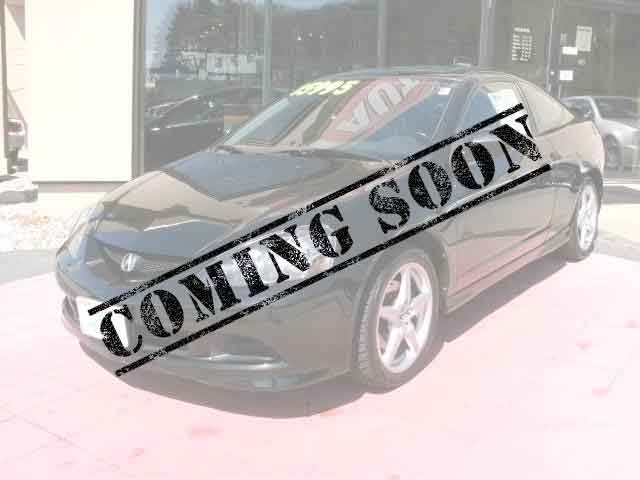
Ramsey Corp., NJ
P:800-801-0877
- Mileage
- 64,018 Miles
- Engine
- 4-cylinder, V6 3.
- Transmission
- Automatic
- Fuel
- Gasoline
- Color
- Burgundy
- Make
- Hyundai
- Model
- Sonata
- Model Year
- 2006
- VIN
- 5NPEU46F56H077083
Leather / Heated Seating Xenon Headlamps Sunroof 2006 HYUNDAI SONATA GLS 5NPEU46F56H077083 SEDAN 4 DR 3.3L V6 FI DOHC FRONT WHEEL DRIVE If you're still not convinced that Hyundai vehicles deserve your consideration, check out this model. For years Hyundai has had a knife lodged in the rib cage of domestic automakers, and the 2006 Sonata represents the most vigorous twist yet. Hyundai rolled out this sedan's good looks, best-yet quality and epic list of standard features at the Detroit auto show in February. Ford's Taurus replacement, the Fusion, had been introduced the day before, but it promptly slipped off my proverbial radar screen. My evaluations of a Sonata LX V6 and GLS V6 have only increased my enthusiasm. This new sedan, now technically full size, is a shot across the bow of the midsize class leaders from Japan as well. Several attributes have driven Hyundai's sales increases — now nearly 400 percent higher than in the punch-line days of 1998 — and made it the fourth-best-selling foreign brand in the U.S. after Toyota, Honda and Nissan. A generous warranty, more standard features than the competition and a lower list price got buyers' attention quality and reliability have made them loyal. J.D. Power and Associates' 2004 Customer Retention Study ranked Hyundai fourth in the industry at 57.6 percent, compared to an average of 48.4 percent. Reliability for the previous Sonata model has been average to above average. The first Hyundai built in the U.S. — at a new assembly plant in Montgomery, Ala. — the 2006 Sonata has an interior volume of 105.4 cubic feet, up from 100.0 cubic feet in the outgoing generation. This, combined with the trunk's growth from 14.1 to 16.3 cubic feet, moves the Sonata into the Environmental Protection Agency's full-size car class. Its exterior size is still manageable, though: 2 inches longer, 0.4 inch wider and 2 inches higher, with 1.1 inches more wheelbase . This is a story of value, but before I get into the features tally, let's not forget the basics — acceleration, braking, etc. The Sonata gets them right. Its ride quality is firmer than in the previous generation's but not objectionably so. (To the contrary, some find the Honda Accord's ride too harsh.) The handling also has improved, with less body roll and impressive cornering. Both of my test cars had the 235- horsepower , 3.3-liter V-6 engine, a considerable increase from the previous generation's optional 170-hp, 2.7-liter V-6. Power ratings alone don't tell the whole story, but this is a 28 percent increase, and the Sonata's curb weight has increased a maximum of only 6 percent in the heaviest new trim level. Quicker acceleration should result. It does. The larger engine and five- rather than four-speed-automatic transmission show in spirited acceleration and good passing power at all speeds. More important, the shifts are smooth and kickdown is reasonably quick. The image of a crude transmission cobbled together in a Third World country just doesn't apply. Also standard is a clutchless-manual mode Hyundai calls Shiftronic. Hyundai still offers a standard four-cylinder in the base — GL — trim level and the GLS, which I haven't yet driven. (Four-cylinder Sonatas will continue to be manufactured in Korea until the Alabama plant ramps up.) For what it's worth, Hyundai says 60 percent of Sonatas sold historically have been V6 models, a distribution that's expected to continue in the new generation. In comparison, roughly 20 percent of Accord and Toyota Camry buyers opt for the six-cylinder. Hyundai cites the Sonata's lower price as the reason. The four-cylinder's output also is up over the previous generation's by 15 percent. In this case the optional automatic transmission is a four-speed a five-speed manual is standard. Despite the performance boosts, all the Sonata configurations are more efficient, as shown The Sonata LX's interior is Hyundai's best yet, and definitely competitive. The color pallet is sensible, the layout ergonomic
- 8-Way Power Driver Seat
- Air Conditioning
- All Wheel Drive
- Alloy Wheels
- Anti-Lock Brakes (ABS)
- Automatic Light Control
- Center Arm Rest
- Climate Control
- Compact Disc (CD) Player
- Cruise Control
- Cup Holder
- Driver Side Airbag (SRS)
- Dual Front Airbags (SRS)
- Electronic Stability Program (ESP)
- Front Wheel Drive
- Intermittent Wipers
- Power Adjustable Seat
- Power Brakes
- Power Door Locks
- Power Mirrors
- Power Steering
- Power Sunroof
- Power Tilt & Slide Glass Sunroof
- Power Windows
- Tilt Steering Wheel
- Traction Control System
- Trip Computer
- Xenon Headlamps